
Property repair records
Document the repair from first symptom through final finish
Build a practical plumbing closeout file with approvals, photos, repair notes, testing, finishes, and limitations.
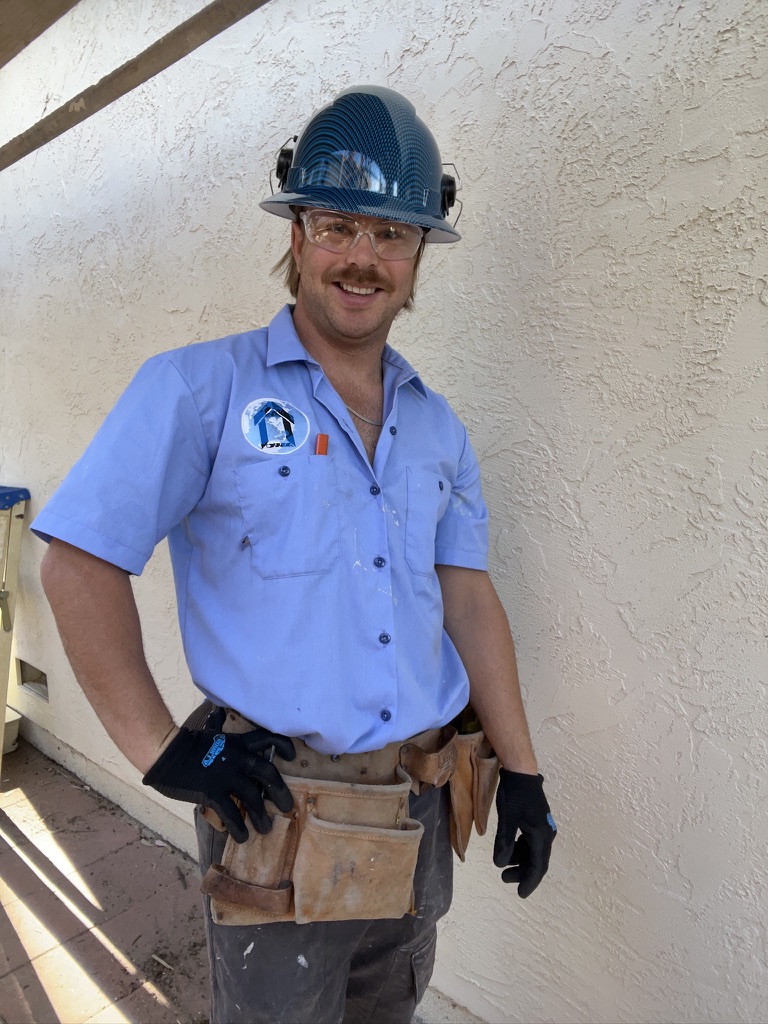
From All World Construction LLC
Owner: Austin Mitchell About Verify CSLB #1063936 Updated
A final invoice and painted wall do not tell the full story of a concealed plumbing repair. A useful closeout file connects the first symptom to the approved access, exposed condition, completed repair, testing, service restoration, wall stages, and final finish. It also states what was outside the scope. That record supports maintenance and future decisions without claiming more than the work actually established.
Start the file with the reported condition
Save the original work request, first-hand observations, date reported, affected fixture or area, and safe photographs. Label assumptions and information relayed by others. The symptom record should explain why the evaluation began without presenting the first theory as a confirmed source.
Include the property contact, occupant access contact, repair approver, and finish approver. This shows who made decisions and prevents later confusion between entry permission and scope authorization.
Track approvals and changes
Keep the initial proposal, selected scope, access authorization, shutdown approval, and each approved change together. A change record should include the newly observed condition, supporting photos, added or removed work, effect on finishes or service, and the approving person.
Preserve declined recommendations or deferred items in neutral language. They are scope limits, not proof that an unrelated future condition was predicted or caused by the present repair.
Capture the concealed work
Use a simple photo sequence: before access, open condition, prepared repair area, completed plumbing, wall restoration stages, and final finish. Add captions or filenames that identify the room, view, and stage. Avoid including unrelated private occupant information in exported records.
Pair the photos with a short repair description, test handoff, and service-restoration status. State the conditions and limits of testing so later readers do not treat a localized repair as a whole-system certification.
Record finish decisions and limitations
Save the approved drywall, texture, primer, paint, trim, cabinet, tile, flooring, and cleaning boundary. Include product or color information when it is reliably available and useful. Record any accepted limitation involving texture, sheen, fading, or broader finish continuity.
Final photos should show the completed area in context. They document delivered appearance at closeout; they do not prove the condition of concealed or excluded systems.
Deliver one readable package
Organize the closeout by sequence, not by whichever contractor sent a file last. A short index can point to approvals, repair evidence, tests, finish records, invoices, exclusions, and open follow-up. Keep the package with the property’s normal maintenance records.
AWC builds documented repair sequences for plumbing and connected finish work. When the source, access, or trade boundary still needs field verification, AWC recommends the $250 Site Evaluation + Written Bid Package. The $250 is credited back when the quoted work is approved within 30 days. Call 619-327-9513 or visit allworldconstructions.com.
Planning checklist
- The original symptom record separates facts from assumptions.
- Approvals and changes identify the responsible decision-maker.
- Photos show access, concealed work, closure, and final finish.
- Testing, service status, and scope limits are written.
- Private occupant information stays out of shared exports.
Questions owners ask
What is the minimum useful plumbing closeout?
Keep the approved scope, change records, before and repair photos, testing and service handoff, finish record, invoice, and stated exclusions.
Do final photos prove the concealed repair is still performing?
No. They document the completed condition at closeout. The repair and test notes explain what was addressed and checked.
Should occupant messages be included in the owner file?
Keep relevant repair observations and approvals, but remove unrelated private details from records shared beyond their operational need.
AWC source library
Related field guidance
AWC article
Behind AWC: The Part of Contracting You Don’t Usually See
Austin explains investigation, trade coordination, customer communication, and documented decisions.
AWC article
Common Questions Property Managers Ask a General Contractor
Questions about coordinating repairs, communication, and documentation for managed properties.