
Repair authority planning
Decide who can approve each part of the repair
Set a practical approval chain for plumbing diagnosis, access, added work, service interruption, and finish restoration.
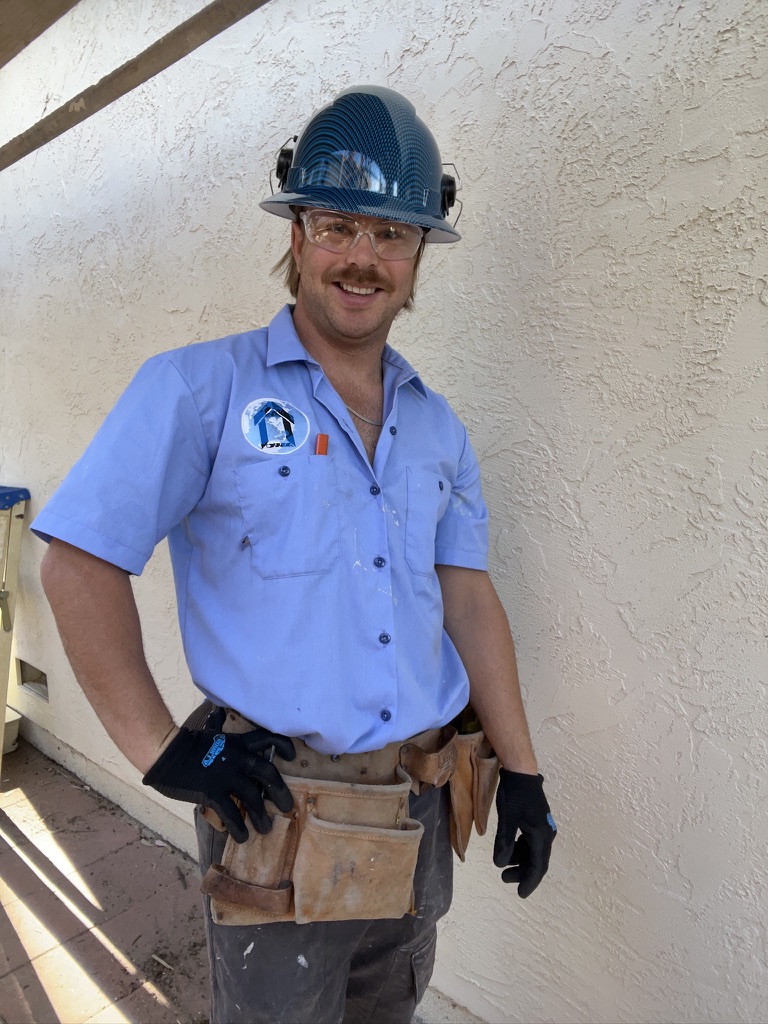
From All World Construction LLC
Owner: Austin Mitchell About Verify CSLB #1063936 Updated
A contractor may have permission to enter a property without having authority to open a wall, shut down water, expand a repair, or approve finish work. Those are separate decisions. A written approval chain keeps the technician, occupant, owner, and manager working from the same limits. It also prevents a small service call from turning into unapproved multi-trade work when concealed conditions become visible.
Separate access from spending authority
Identify who can schedule entry, who can authorize plumbing work, and who can accept a change in price or scope. An occupant may provide access and describe the symptom while the owner or manager retains repair authority. Put the names, phone numbers, and preferred update method on the work order before dispatch.
State any approved investigation limit in writing. A dollar cap alone can be too vague when the visit may involve testing, wall access, plumbing repair, or temporary protection. Define the work the authorization covers and what requires another decision.
Name the decisions that may arise
The initial scope should anticipate common decision points: controlled testing, an exploratory opening, expanded access, a revised plumbing repair, a water shutdown, drying or material review, and finish restoration. The contractor should know who can approve each one and how to reach that person during the appointment.
If the decision-maker will be unavailable, establish a stopping condition. The crew can document what is exposed, protect the area, and leave the property in the agreed safe condition rather than guessing at authority.
Use evidence for concealed changes
When an opening reveals a different condition, request photographs and a short explanation connecting the finding to the proposed change. The update should identify the added work, effect on service or finishes, exclusions, and the approval needed. A verbal “while we are here” recommendation is not a complete change request.
Emergency protection and permanent repair can have different authority. If immediate action is needed to limit active damage, document that action and keep the permanent scope within the owner’s approval process.
Carry authority through the finish stage
Plumbing completion does not automatically authorize drywall, texture, primer, paint, cabinet, tile, or flooring work. Assign those decisions before the opening is closed. Confirm who chooses the finish boundary and who accepts a practical match to existing materials.
The final approver should receive the plumbing handoff, test record, open-condition photos, approved changes, finish record, and remaining limitations. This keeps authorization tied to completed work rather than scattered text messages.
Make the chain usable in the field
A useful approval sheet is short enough to follow during the work. It lists contacts in order, allowed actions, stop points, notice requirements, and the records required before closure. Update it if ownership, management, or occupant access changes.
AWC coordinates plumbing repairs with access and finish restoration through one documented process. When the source, access, or trade boundary still needs field verification, AWC recommends the $250 Site Evaluation + Written Bid Package. The $250 is credited back when the quoted work is approved within 30 days. Call 619-327-9513 or visit allworldconstructions.com.
Planning checklist
- Entry, repair, change-order, and finish authorities are named.
- The initial authorization describes work, not only a dollar limit.
- Unreachable approvers have a written stopping condition.
- Concealed changes include photos, scope effect, and approval.
- Final records go to the person accepting the completed work.
Questions owners ask
Can an occupant approve the repair because they opened the door?
Only if the owner or manager has given them that authority. Access permission and repair approval should be confirmed separately.
What happens if concealed damage is found?
The contractor should document the condition, explain the proposed scope change, and pause at the agreed stopping point for authorization.
Who approves the wall finish after plumbing?
The written chain should name the finish decision-maker and define the restoration boundary before closure begins.
AWC source library
Related field guidance
AWC article
Common Questions Property Managers Ask a General Contractor
Questions about coordinating repairs, communication, and documentation for managed properties.
AWC article
Behind AWC: The Part of Contracting You Don’t Usually See
Austin explains investigation, trade coordination, customer communication, and documented decisions.